
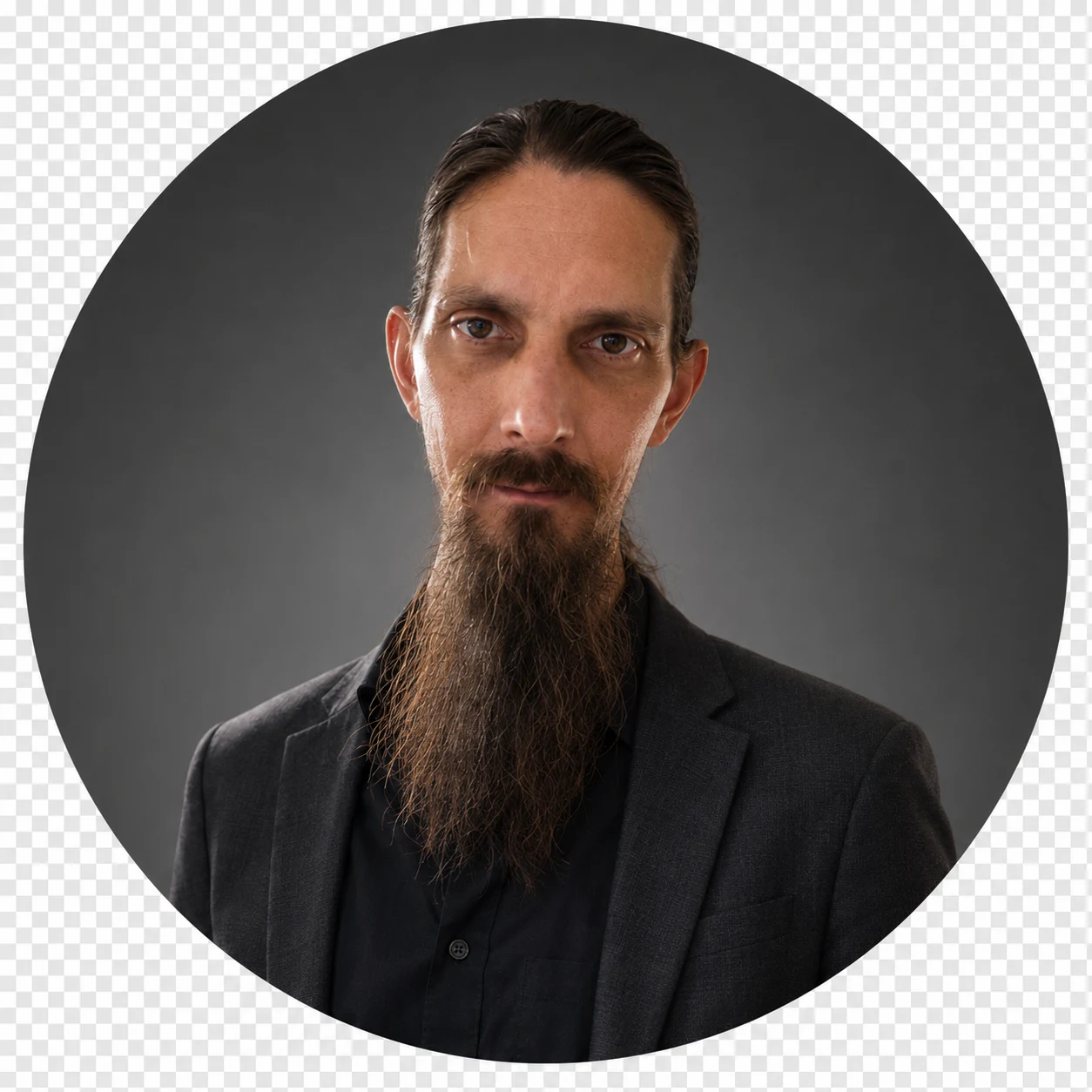
Hi, I’m Troy. I’m glad you’re here. You should take a look at what we’re working on.
You may not know my name, but there’s a good chance you have used something I helped build. I have spent years quietly understanding, repairing, and improving systems that people depend on every day.
I’m Muskogee, and I started this work young. As part of a two-person High School High Tech team, I helped build a program to preserve and share Muskogee stories told by our elders.
To make that program work the way we believed it should, we had to solve a larger problem.
Windows accessibility features existed as separate systems. Our public sources verify that Red Eagle Fenv built a fully functional Windows application that brought those features together, won Microsoft’s 2006 accessibility competition, traveled to Redmond, and received a $5,000 grant.
My firsthand account is that the Tribe later licensed the framework to Microsoft and that its architecture informed Windows Ease of Access. Valen Systems is working to recover the licensing records and contemporaneous technical documentation needed to independently establish that later part of the history.
That early work taught me something that has followed me throughout my career: some of the most important technical problems are hiding inside limitations everyone else has learned to accept.
More recently, my work has taken me deep into JRuby, language runtimes, operating systems, processors, workload coordination, and the mathematics of how computation is organized over time. Much of it began with a simple observation: ordinary operations were asking the processor to perform far more work than should have been necessary.
That sort of thing bothers me.
I have a habit of looking at a system, finding an inefficiency people have accepted as normal, and asking why we’re still doing it that way. Sometimes there’s a good answer. Sometimes the system is simply carrying assumptions that no longer deserve to survive.
At Valen Systems, I lead the technical direction behind Project Valux, Rubian, and Kestowv. We’re developing new ways to coordinate computation, maintain responsiveness under pressure, and help hardware complete more useful work with the resources it already has.
I’ve spent a lot of years improving systems that millions of people use.
Now I’m making a system for millions of people to use.