

Meet Will and Troy.

The founders of Valen Systems

We came to technology from different directions. Valen Systems is where we bring those strengths together.

Two sides of the same system.

William created Core around the work people and agents want to do. Troy created Rubian and Kestowv around how machines carry it out. That connection is why they teamed up—and why Valen Systems builds across the interface and the systems beneath it.

Hi, I’m Will. Thank you for visiting Valen Systems. I hope you stay long enough to understand what we’re building and why we believe it matters.

I spent much of my younger life working in construction and commercial fishing. Those environments taught me to respect practical knowledge, physical constraints, and the consequences of getting something wrong. They also taught me that ambitious work only succeeds when the people, tools, and resources around it are properly organized.

I carried those lessons into business. Before founding Valen Systems, I worked across oil and gas, mining, logistics, real estate, manufacturing, marketing, compliance, and finance. Through the family office I founded, I helped structure industrial projects, operating companies, financing arrangements, and the relationships required to move complicated opportunities forward.

The industries changed, but my work remained remarkably consistent: understand what actually matters, bring order to complexity, and turn ambition into something coherent, useful, and economically real.

I founded Valen Systems to apply that experience to technology.

We’re building systems that help computers, businesses, and eventually consumers operate more efficiently. That means questioning assumptions that have survived mainly because replacing them is difficult. It also means turning serious technical work into products people and organizations can actually use.

My responsibility is to connect the technology to the larger structure around it: the company, the market, the customer, the capital, and the reason the work should exist at all.

When someone buys something from Valen Systems, I want it to work better than expected and create fewer headaches than anticipated. I want our software to understand how people work, our systems to help hardware accomplish more, and our technology to give its users greater control.

We’ll never sell your data. We’ll build around privacy, security, efficiency, and ownership.

Our ambitions are enormous.

Our job is to make the technology worthy of them.
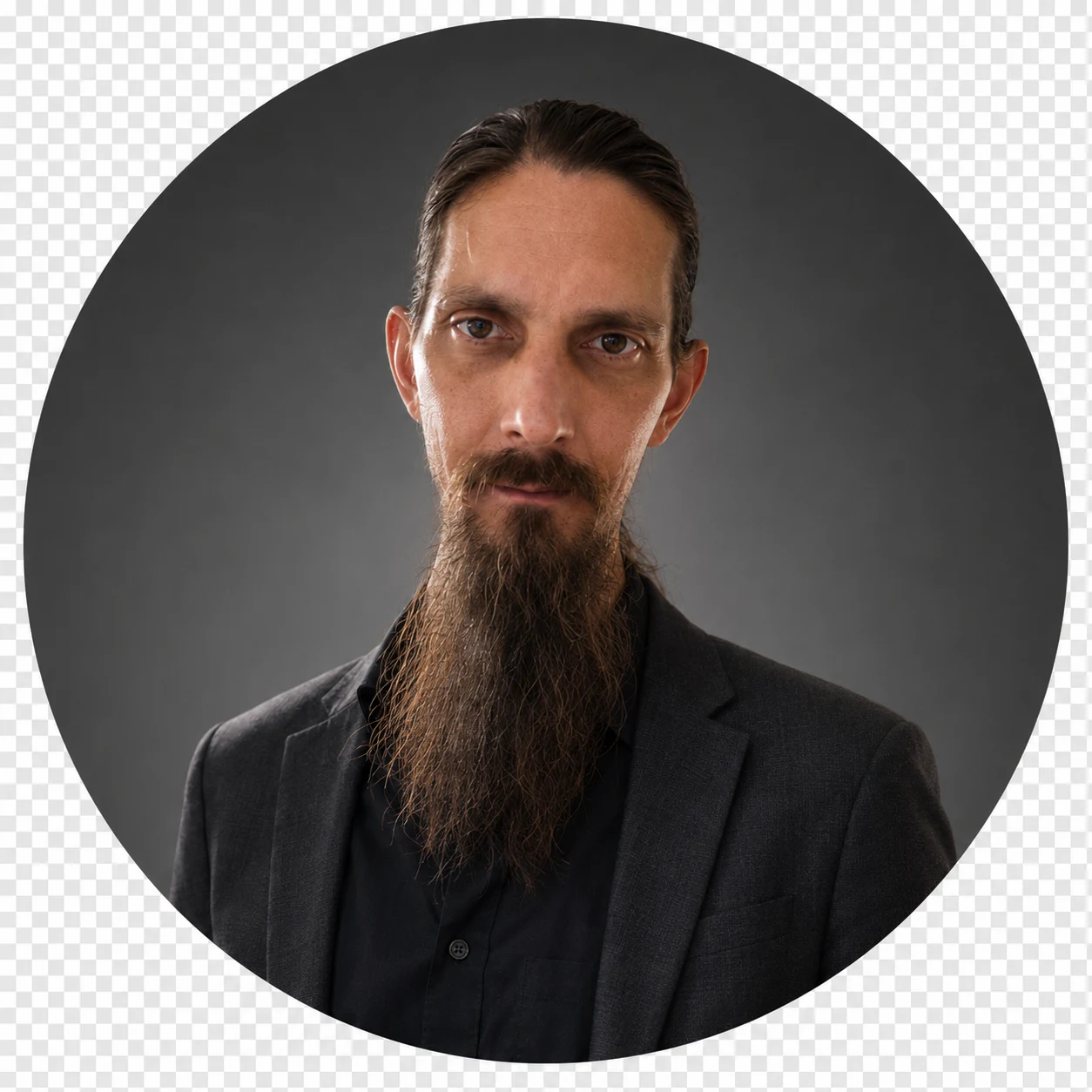
Hi, I’m Troy. I’m glad you’re here. You should take a look at what we’re working on.

You may not know my name, but there’s a good chance you have used something I helped build. I have spent years quietly understanding, repairing, and improving systems that people depend on every day.

I’m Muskogee, and I started this work young. As part of a two-person High School High Tech team, I helped build a program to preserve and share Muskogee stories told by our elders.

To make that program work the way we believed it should, we had to solve a larger problem.

Windows accessibility features existed as separate systems. Our public sources verify that Red Eagle Fenv built a fully functional Windows application that brought those features together, won Microsoft’s 2006 accessibility competition, traveled to Redmond, and received a $5,000 grant.

My firsthand account is that the Tribe later licensed the framework to Microsoft and that its architecture informed Windows Ease of Access. Valen Systems is working to recover the licensing records and contemporaneous technical documentation needed to independently establish that later part of the history.

That early work taught me something that has followed me throughout my career: some of the most important technical problems are hiding inside limitations everyone else has learned to accept.

More recently, my work has taken me deep into JRuby, language runtimes, operating systems, processors, workload coordination, and the mathematics of how computation is organized over time. Much of it began with a simple observation: ordinary operations were asking the processor to perform far more work than should have been necessary.

That sort of thing bothers me.

I have a habit of looking at a system, finding an inefficiency people have accepted as normal, and asking why we’re still doing it that way. Sometimes there’s a good answer. Sometimes the system is simply carrying assumptions that no longer deserve to survive.

At Valen Systems, I lead the technical direction behind Project Valux, Rubian, and Kestowv. We’re developing new ways to coordinate computation, maintain responsiveness under pressure, and help hardware complete more useful work with the resources it already has.

I’ve spent a lot of years improving systems that millions of people use.

Now I’m making a system for millions of people to use.

Troy Mallory’s systems work ships in JRuby 10.1+.

The builtin-tracking architecture Troy contributed through PR 9174 was merged upstream and expanded across JRuby runtime fast paths by maintainer Charles Oliver Nutter.

Looking for help with a system? Explore Valen Systems services